
Eco-gardening symposium coming April 5
JOEL MARTIN | Hagadone News Network | UPDATED 11 months, 3 weeks AGO
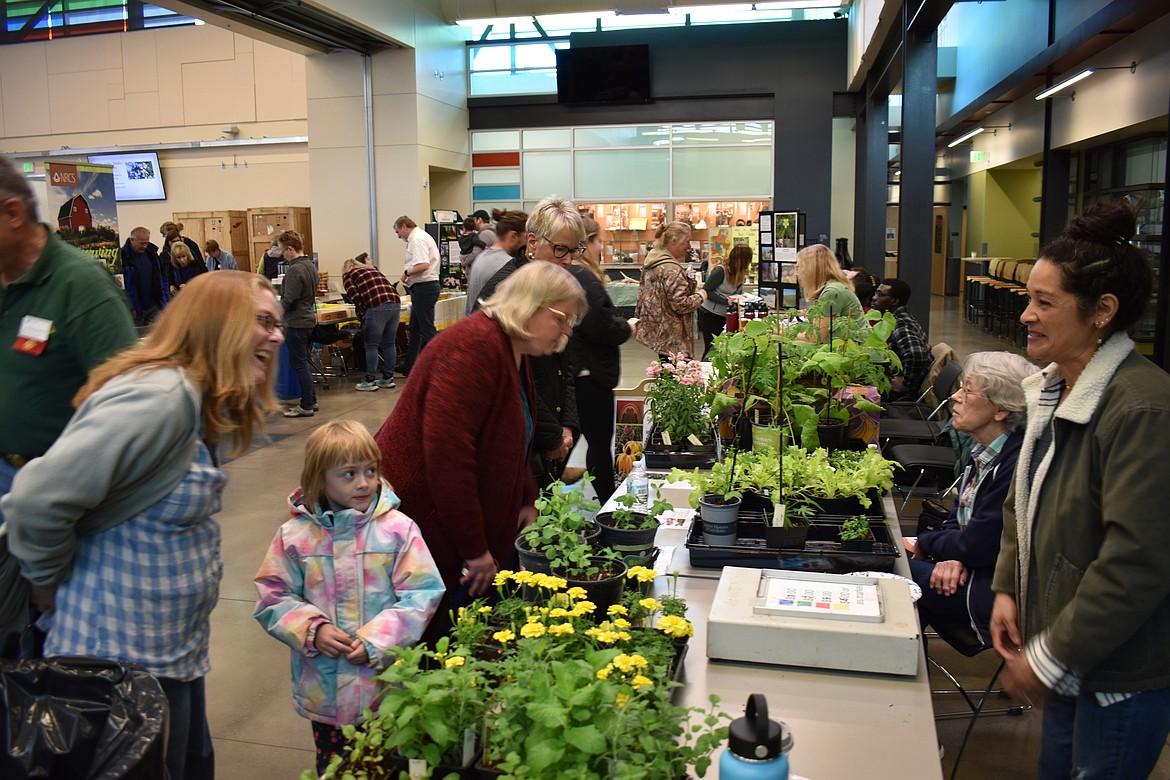
Interested gardeners look over the plants on display at a previous Eco-Gardening Symposium sponsored by the Grant-Adams Master Gardeners and the Columbia Basin Conservation District. The 2025 symposium will be April 5.
FILE PHOTO
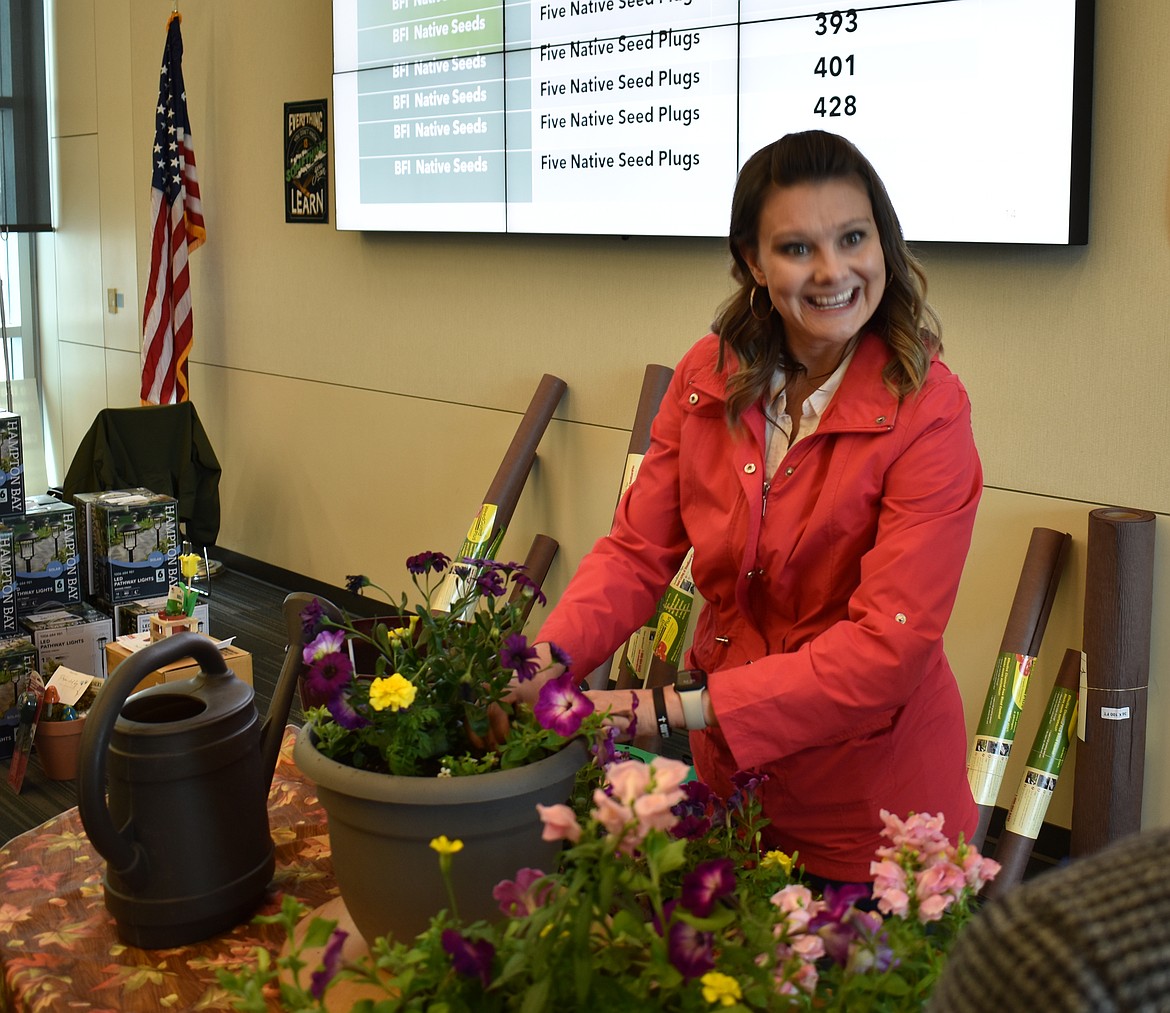
WSU Master Gardener Bobbie Bodenman demonstrates planting techniques at a previous Columbia Basin Eco-Gardening Symposium.
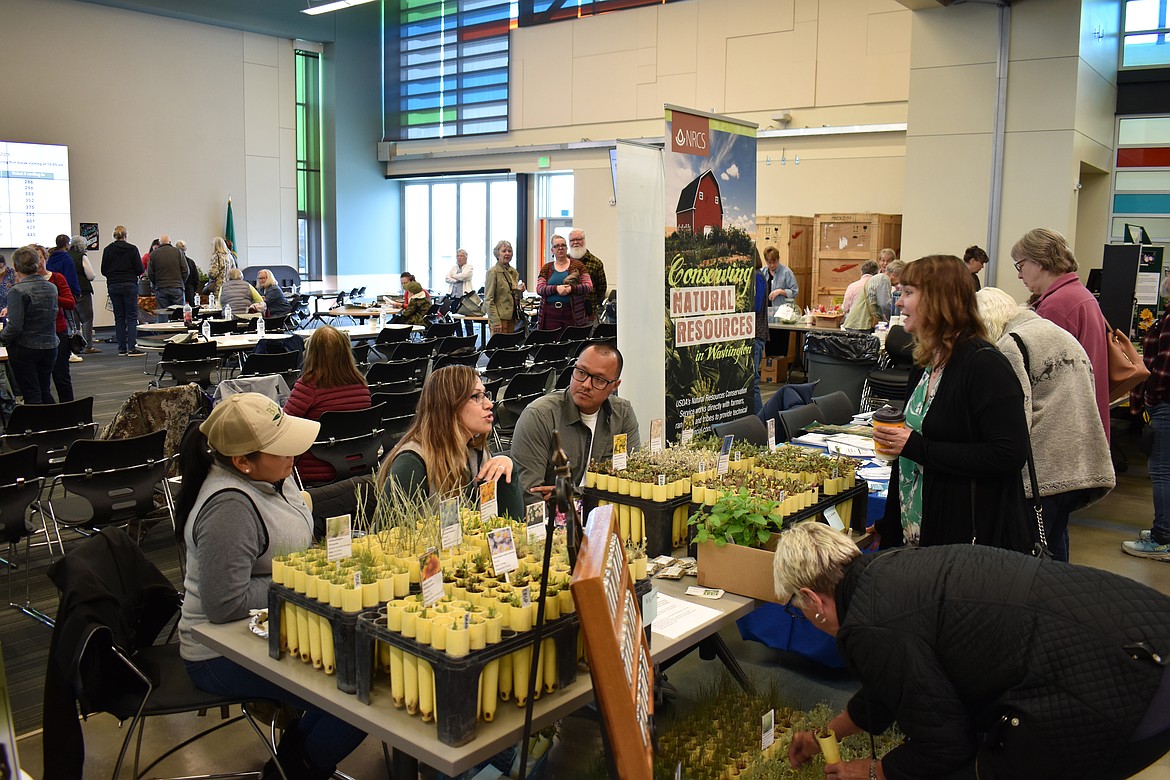
Staff members of BFI Natural Seeds discuss a variety of plants with attendees at a previous Columbia Basin Eco-Gardening Symposium. The symposium includes a wide variety of vendors and informational booths for attendees to check out.
Joel Martin has been with the Columbia Basin Herald for more than 25 years in a variety of roles and is the most-tenured employee in the building. Martin is a married father of eight and enjoys spending time with his children and his wife, Christina. He is passionate about the paper’s mission of informing the people of the Columbia Basin because he knows it is important to record the history of the communities the publication serves. | March 14, 2025 1:00 AM
MOSES LAKE — Here in the Columbia Basin, we have many things in abundance: sunshine, wide open spaces, fine wine, great tacos. What we don’t have in abundance is water. How to grow plants in spite of that lack will be one of the topics of an Eco-Gardening Symposium on April 5.
“One of our sessions will be on three gardeners who have taken out part or all of their yards to put in drought-tolerant plants,” said WSU Grant-Adams County Master Gardener Diane Escure, co-coordinator of the symposium. “They’re going to be saying, what’s the pros and cons? … Here are the things to be aware of, what are we looking for? What do they experience? We’ll have slides of their before and after landscapes, and what they hope to accomplish.”
This is the eighth year the Master Gardeners and the Columbia Basin Conservation District have presented the symposium. Until last year the program took place at the Columbia Basin Technical Skills Center, but much like a productive garden, it outgrew that space and is now held in the ATEC Building at Big Bend Community College.
Drought-resistant gardening is a significant topic, but it’s far from the only thing attendees can learn. There will be sessions covering many different aspects of gardening in our climate, including every gardener’s nightmare, weeds. Those are particularly a problem when you replace a lawn with something less water-dependent, said Dinah Rouleau, conservation director for the Columbia Basin Conservation District.
“That’s a big con that you have to think about out here,” Rouleau said. “You’re ripping something out; weeds will want to move in.”
Rouleau will also give a demonstration on pot design and the types of drought-resistant plants that look best in them.
Lisa Robinson of the Washington Native Bee Society will discuss the relationship between plants and pollinators on the east wide of the Cascades.
“Pollinator networks involve 88% of all flowering plants, at least a million insect species, about a thousand birds, hundreds of lizards and more than a hundred mammals,” Escure wrote in an email to the Columbia Basin Herald. “There are many ways that plants have evolved to attract the pollinators needed to spread pollen to another flower of the same species. The pollinators benefit by finding nectar and pollen more easily and, of all pollinators, bees are the most efficient. Lisa will share examples of pollinators, particularly native bees, on wildflowers from Eastern Washington.”
For folks who live along the lake, Kaley Wisher of the CBCD will present tips for what to plant on the shoreline, including understanding root depth, plant height and soil type, Escure wrote.
Rae Ann Kirk, a resource specialist with the Natural Resources Conservation Service, will talk about technical and financial assistance programs available for urban gardeners.
The final presentation will be from Al Miller, a retired forester for the U.S. Forest Service and the Bureau of Land management. He’ll talk about fire-resistant landscaping and how to protect homes in the wildland-urban interface.
There’s plenty going on between sessions as well, Escure said.
“We have swag bags for everybody as well,” she said. “The swag bags will have a lot of information for them, and one will be potential different kinds of garden designs using drought tolerant plants … We’ll have some of those plants for sale. We’ll have some vendors there that will have plugs for sale and (give attendees) the opportunity to say, ‘I could take this little area, or I could take a bigger area and plant this.’”
The event is free to attend, but people planning to attend are asked to pre-register if possible, so organizers know how much to have on hand in the way of refreshments. Registration can be done online at bit.ly/Eco-GardeningML2025 or at the CBCD office at 903 W. Third Ave., Moses Lake.
The symposium is a great way to get good, trustworthy information to the people who need it, Escure said.
“The Master Gardeners do science-based research,” she said. “We don’t just say ‘Throw something over your left shoulder and turn around three times and it will work.’ It has to be science-based. When we make recommendations, the people in the community want to make sure that this has been based on good advice.”
8th Annual Eco-Gardening Symposium
9 a.m.-1 p.m. April 5
Big Bend Community College ATEC Building
Registration: bit.ly/Eco-GardeningML2025
Schedule
8 a.m. Doors Open. Vendor Booths Open
8:30 a.m. Event Check-In. Ballroom Open
9 a.m. Welcome — MC Sharon Hastings, Master Gardener
9:10 a.m. Water-Efficient Landscape Design, Austin Little
9:55 a.m. Break — Vendors/Demonstrations Outside Ballroom/Refreshments
Classroom 1 — Native Bee Society: Exploring Plant & Pollinator Relationships East of the Cascades
Classroom 2 — Conservation District: Save Water/Save Money
In Hallway — Heritage Gardens: Drought-Tolerant Planter Design
10 15 a.m. Panel: Local Gardeners - Pro’s & Con’s Creating Drought-Tolerant Landscapes
10:50 a.m. Break — Vendors/Demonstrations Outside Ballroom/ Refreshments
Classroom 1 — NRCS: Programs/Financial Assistance for Urban Gardens
Classroom 2 — Conservation District: What to Plant in Your Shoreline Landscape
In Hallway — Heritage Gardens: Drought-Tolerant Planter Design
11:10 a.m. Jenna Medlar — What Do You Really Know About Weeds?
11:55 a.m. Break
12:05 p.m. Al Murphy — Right Plant/Right Place Firewise
12:50 a.m. Door Prizes/Adjournment
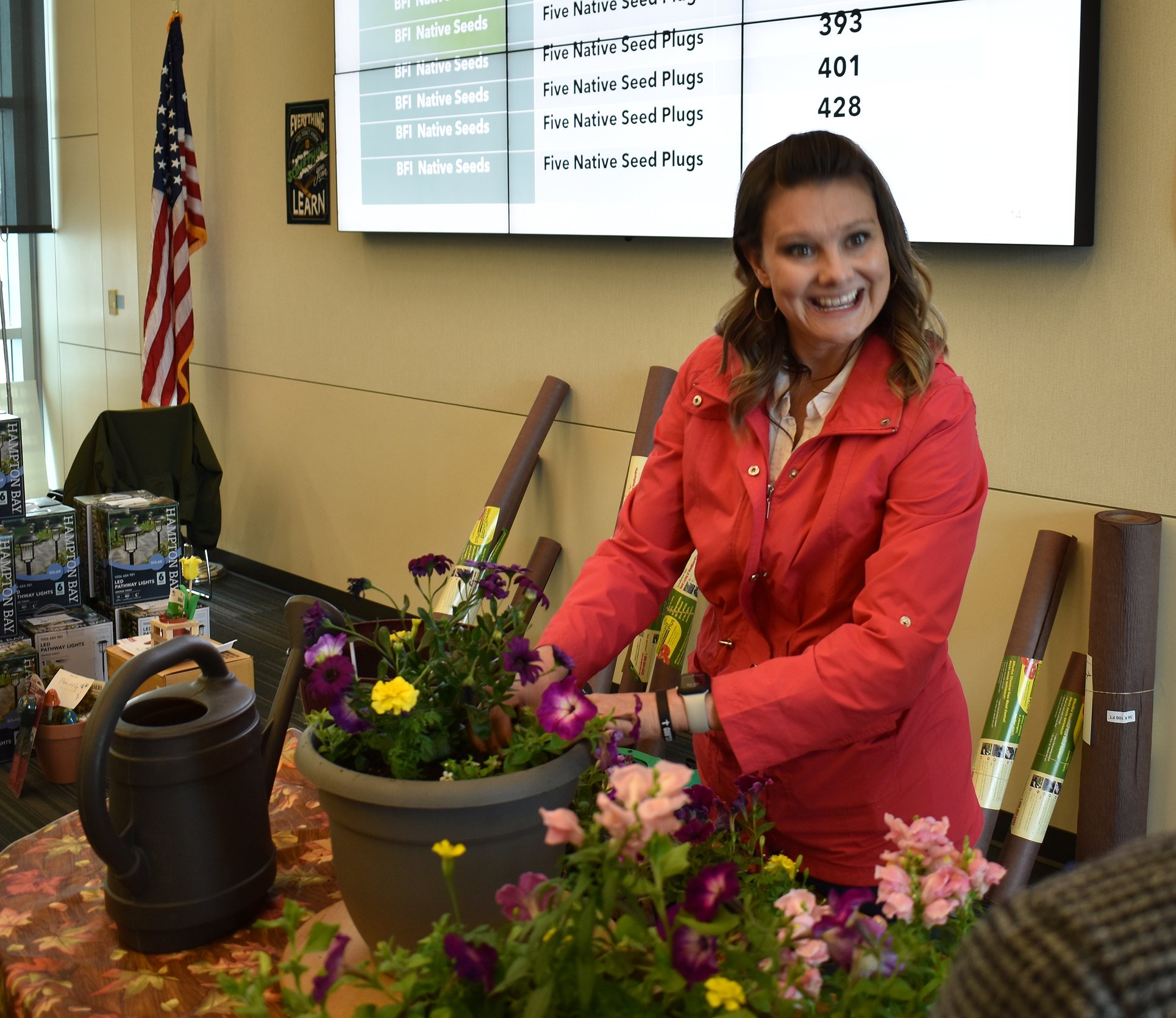 WSU Master Gardener Bobbie Bodenman demonstrates planting techniques at a previous Columbia Basin Eco-Gardening Symposium.
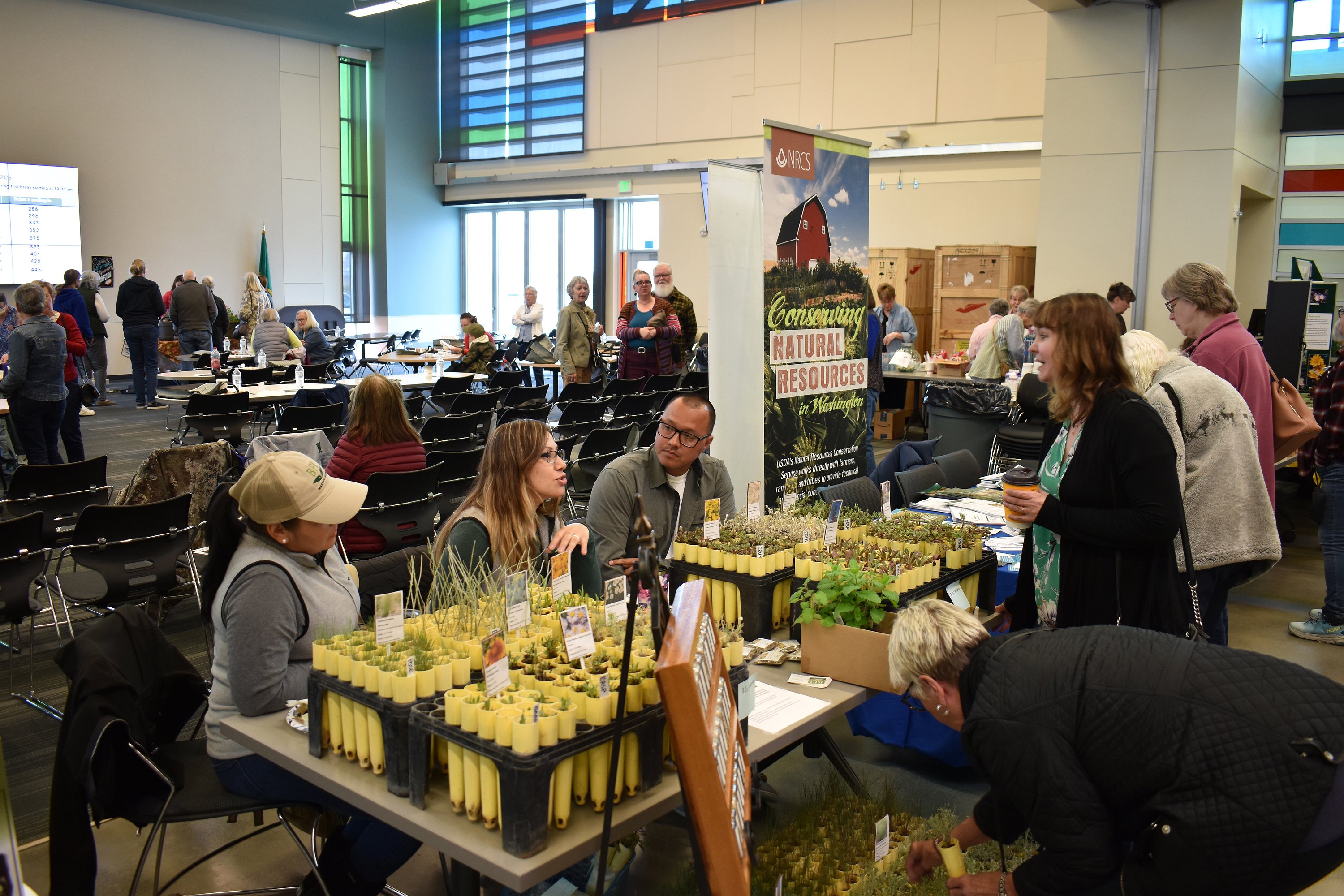 Staff members of BFI Natural Seeds discuss a variety of plants with attendees at a previous Columbia Basin Eco-Gardening Symposium. The symposium includes a wide variety of vendors and informational booths for attendees to check out.
ARTICLES BY JOEL MARTIN
Space Burger booth open March 13-15
MOSES LAKE — Those who can’t wait for the Grant County Fair can get their Space Burger fix next weekend, according to an announcement from the Lioness Club of Moses Lake. The iconic Grant County sandwiches will be available at the Grant County Fairgrounds March 13-15, according to the announcement. There is no admission fee to get into the fairgrounds that weekend.
SENIOR EVENTS: March 2026
COLUMBIA BASIN — Plays, art shows, auctions and more await seniors in the Columbia Basin this month. Here are some opportunities to get out and about in March.
Valentine’s Day cards flood Brookdale Hearthstone with love
MOSES LAKE — Residents at Brookdale Hearthstone Assisted Living in Moses Lake got Valentine’s Day greetings from across the country last month. “I believe that the only states we have not received (cards from) yet are Vermont and Maine,” Lifestyle Director Imelda Broyles said Feb. 24. “We keep receiving new cards every single day. They have not stopped. My residents are in awe with every single one of the cards that we’ve been receiving.” The Hearts Across America project started as a way for children in school classrooms to exchange Valentine’s Day cards with classes in other states or even countries, but the idea has expanded to senior living facilities, according to the project’s social media.