Affordable housing remains priority nationwide
BOB KIRKPATRICK | Hagadone News Network | UPDATED 5 months, 1 week AGO
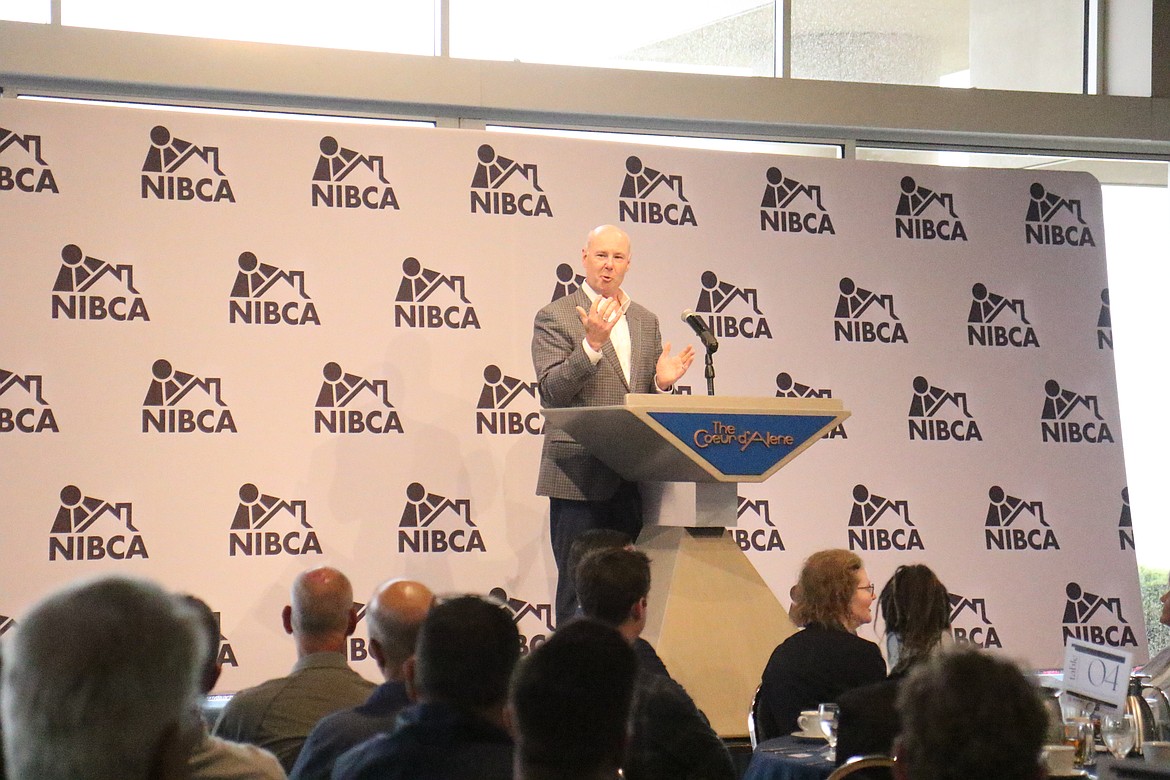
Jim Tobin, president and CEO of the National Association of Home Builders, talks about the roadblocks and solutions to obtaining affordable housing at the Housing and Economic Development Summit held at the Hagadone Event Center on Wednesday, May 13.
BOB KIRKPATRICK\Press
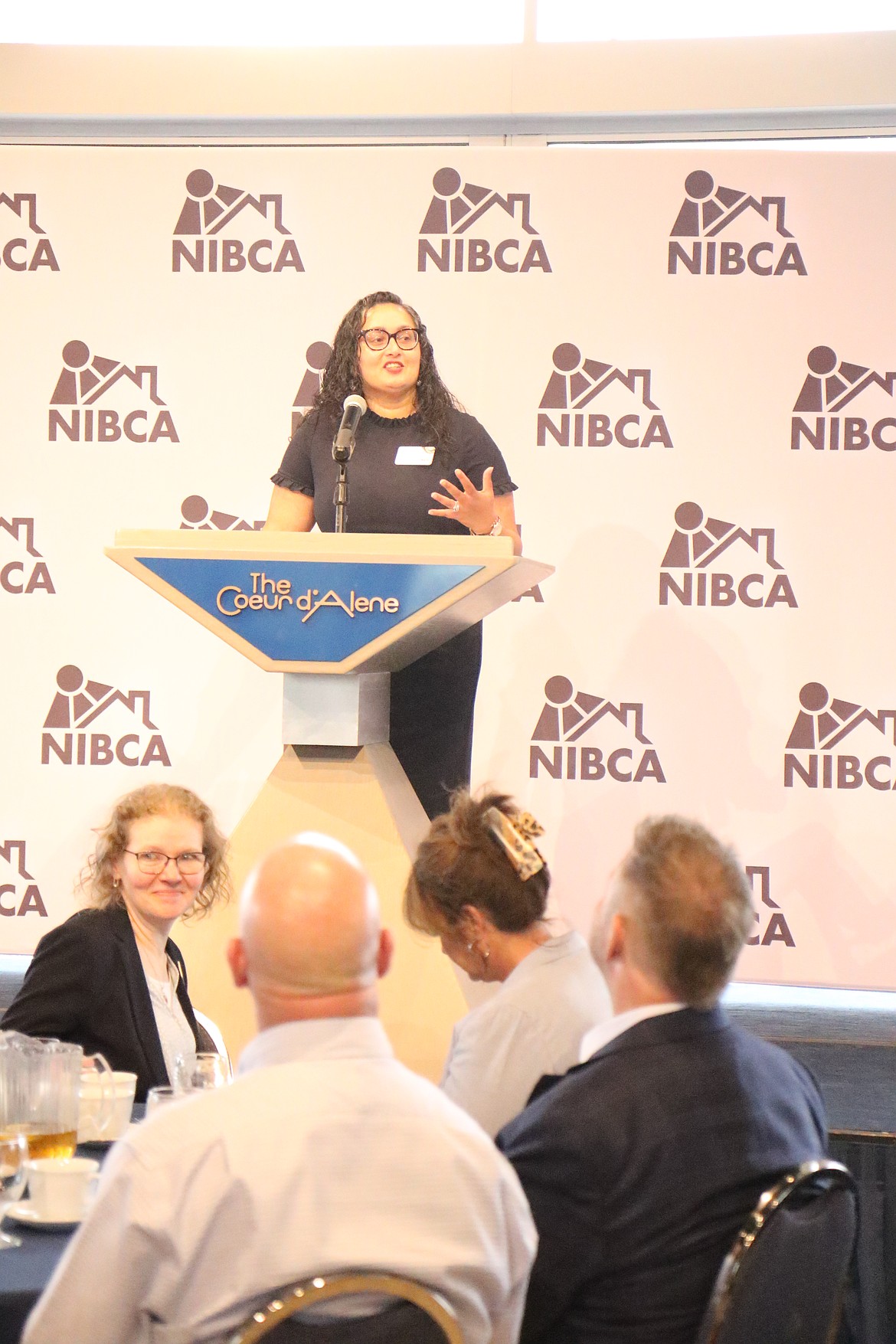
Danushka Nanayakkara-Skillington, assistant vice president for Forecasting and Analysis for the National Association of Homebuilders, discusses the state of the national economy and its impact on homeownership.
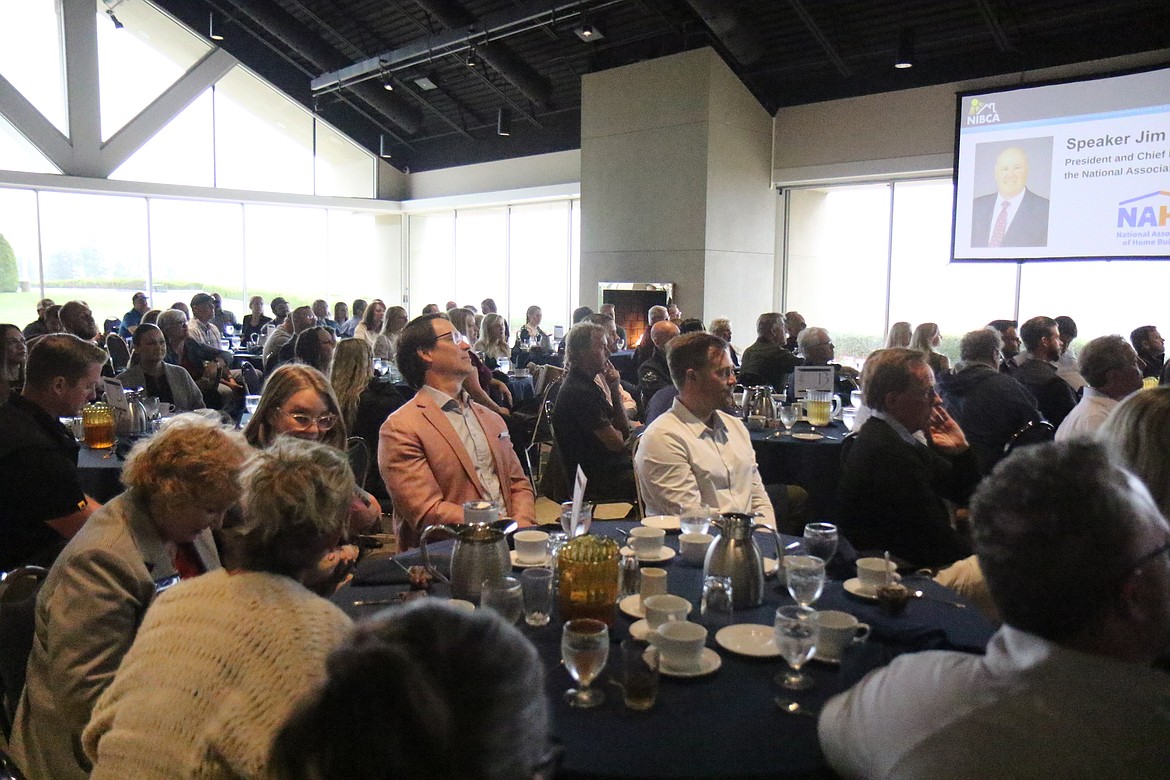
The Hagadone Event Center was filled with local builders and contractors attending the Housing and Economic Summit presentation on Wednesday, May 13.
The lack of affordable housing, locally and across the country, was the focus of the Housing and Economic Development Summit held at the Hagadone Event Center on Wednesday.
Jim Tobin, president and CEO of the National Association of Home Builders, was one of the main speakers.
“Everybody is talking about housing. Everybody thinks they have a solution. Everybody wants a solution. It's part of the President's affordability amendment,” Tobin said. “It's on everybody's kitchen table topics — they're talking about housing.”
Tobin said the entire country is dealing with price pressures that affect housing prices.
"We’re struggling with inflation and high gas prices,” he said. “People can’t afford to buy a home or even find a house or an apartment that's affordable.”
Tobin said homeownership has always been the gateway to the middle class in the country. But under current circumstances, young would-be homeowners can’t begin to build their lives.
“The average age of a new home buyer is 40. Think about that,” Tobin said. "If you push off homeownership until you are 40 years old, you're not building equity, you don't have that ability to buy your next home as your family grows, and you're putting off economic security for your family and your loved ones farther and farther. That's dangerous.”
With that in mind, Tobin said they are working hard in D.C. to rectify the problem.
“There's a piece of legislation working its way through Congress, and the House is known as the 21st Century Housing Act, and the Senate is the Road to Housing. They've combined them all into the 21st Century Road to Housing Act,” Tobin said. “Congress does nothing, if not mainframe and this legislation is going to do good things for us. It's really going to use the powers of the federal government.”
The 21st Century Road to Housing Act focuses on increasing housing supply, reducing construction costs, limiting institutional investor purchases of single-family homes, which Tobin said President Trump wants to ban, and modernizing federal housing programs. He also said Trump pledges to make housing affordable.
“I'm not a fan of housing decisions made at the local level. However, when you break it as badly as local governments have broken them across the country, it's time for some other adults to step in,” Tobin said. “Whether it's the state or federal government.”
He said the federal government can help push down the values that we (National Association of Home Builders) hold as home builders, and the people who build shelter in this country, to make sure that local governments are being responsible about the laws and regulations they put in place that will impede new home and apartment building.
Tobin said the key to spurring economic growth in the country is having a strong housing program.
“We all know if you're trying to attract businesses into your localities, the first question they ask is: Where are all workers going to live,” he said. “If people want to move here to Idaho, we also have to make sure we have a strong infrastructure — can’t just max out sewer and water capacity — have to have inferior roads to travel on.”
Danushkka Nanayakkara-Skillington, assistant vice president for Forecasting and Analysis for the National Association of Homebuilders, was another guest speaker at the Summit.
She oversees forecasting and analysis for economic groups, which includes developing and maintaining national, regional, long-term and remodeling expenditure forecasts.
She painted a somewhat grim picture as she spoke about the country's economic state, which is affecting the affordable housing market and the costs builders must pass on to would-be homeowners.
“We’re having multi-dimensional supply shocks in the economy right now. Crude oil prices are over $100 a barrel right now. The tariff rate went from like 2% in 2025 to about 10%, and inflation is up a little over 29% in the last five years,” Nanayakkara-Skillington said. “We are also seeing producers and manufacturers pushing price increases toward consumers and household incomes haven’t increased enough to offset these costs.”
She said the national unemployment rate is at 4.3% and could reach 5% in the next year or so, which would translate to slower consumer spending among lower- to middle-income tiers.
“With slower growth, an escalating unemployment rate and labor force participation trending down, the recession risk right now is about 40%,” Nanayakkara-Skillington said. “What’s really depressing is that only one in three men between the ages of 25 and 55 is working right now.”
The good news, she said, is that Idaho is in much better shape than the rest of the nation.
“Idaho is 14% above the full employment rate, which makes it the top state in the country. Coeur d’Alene is pretty close at 11% above the full employment rate,” Nanayakkara-Skillington said. "Hawaii has the worst employment rate."
Regarding the demand for housing, Nanayakkara-Skillington said population is a primary driver. Again, she said, Idaho has done a fantastic job.
“Idaho has been growing way above national levels at this point. Coeur d'Alene's population grew 1.8% last year, which is unheard of,” Nanayakkara-Skillington said. “At the national level, population growth was only at half a percentage point, so you guys are doing a fantastic job. Combine this with the labor market, and you are in a really good position in terms of the local economy.”
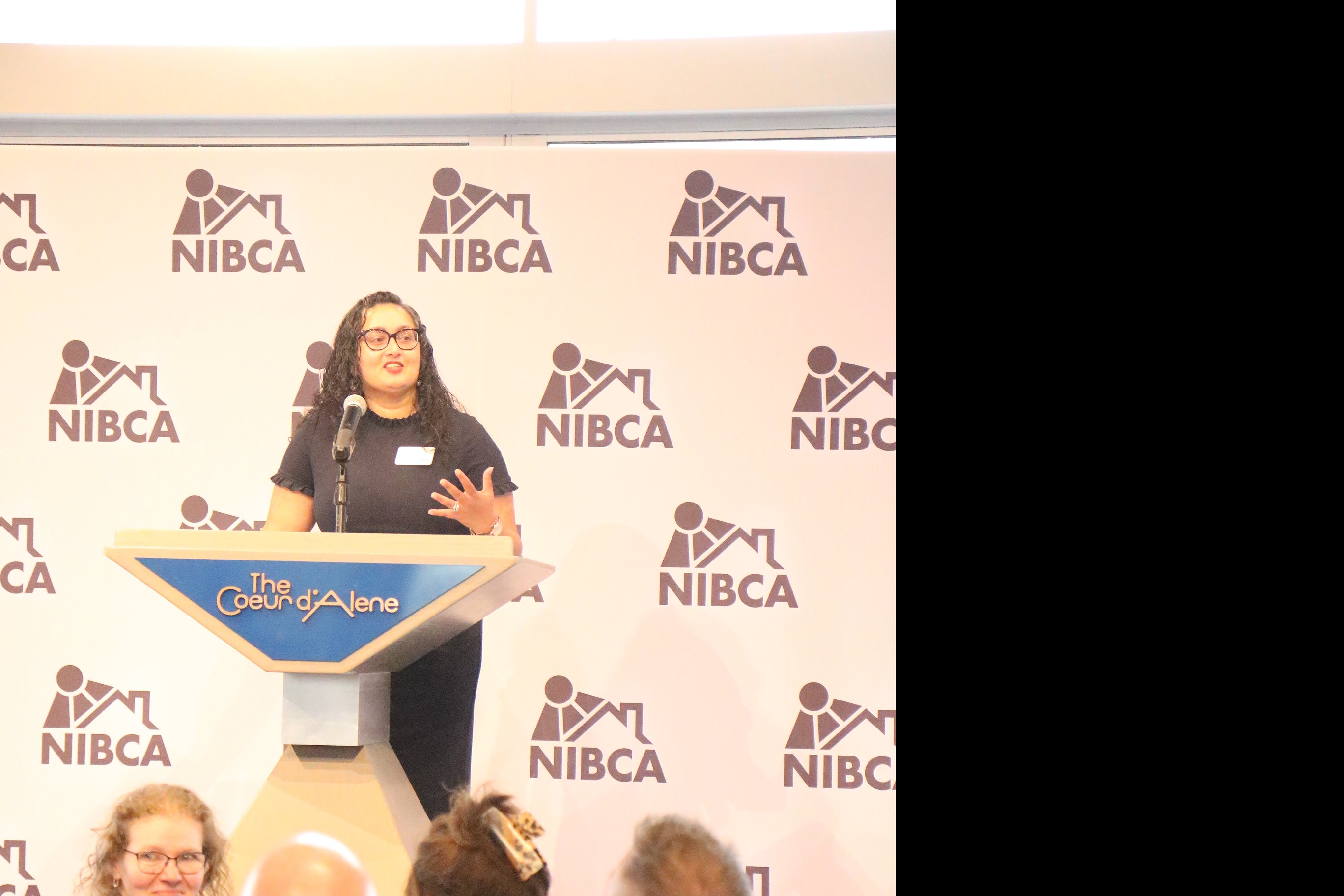 Danushka Nanayakkara-Skillington, assistant vice president for Forecasting and Analysis for the National Association of Homebuilders, discusses the state of the national economy and its impact on homeownership.
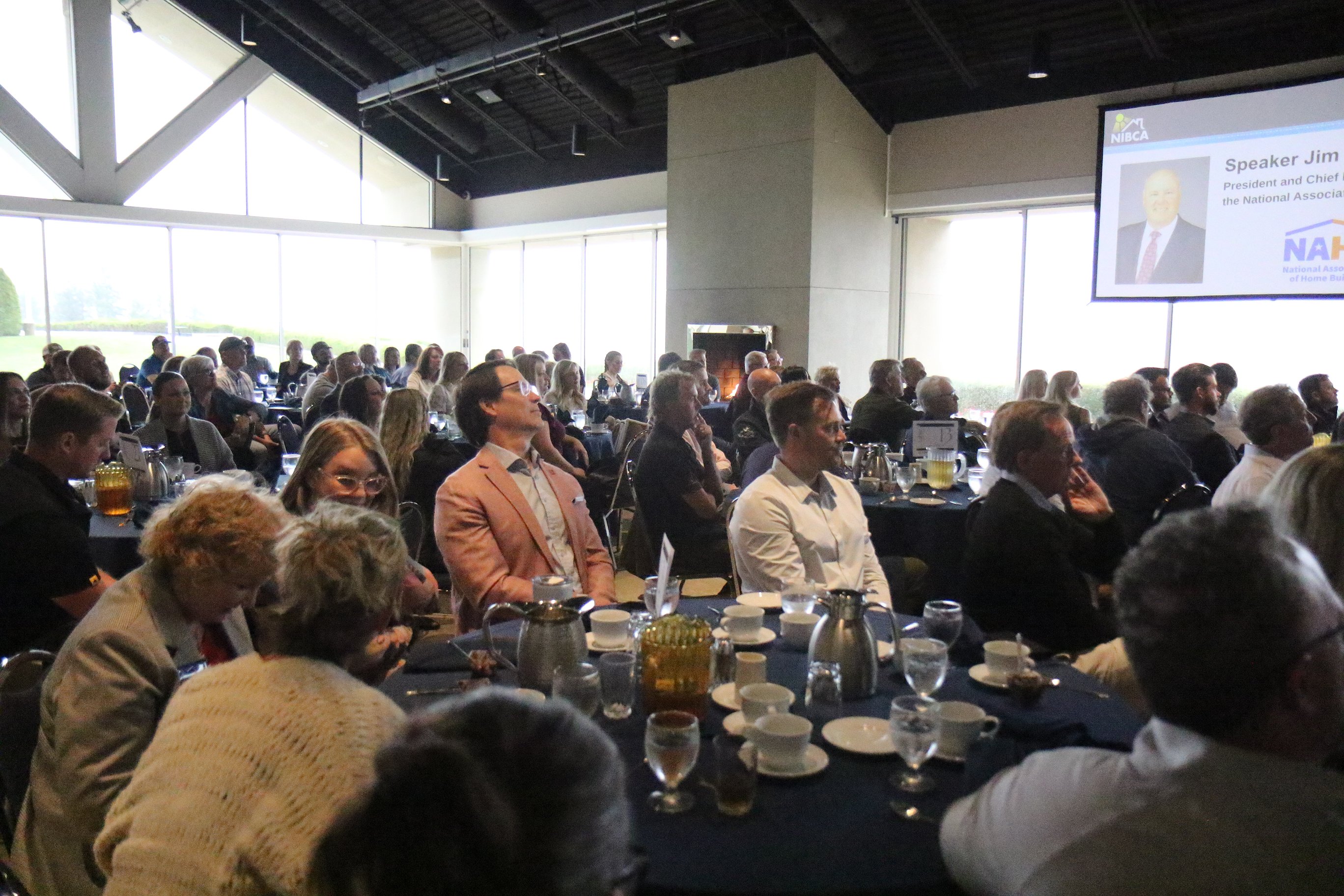 The Hagadone Event Center was filled with local builders and contractors attending the Housing and Economic Summit presentation on Wednesday, May 13.
ARTICLES BY BOB KIRKPATRICK

Experts urge businesses to embrace AI
iTech Summit targets AI’s expanding role in everyday life

New Apothecary opens in Rathdrum
The store carries over 300 herbs