
Coeur d'Alene's Tony Mills joins documentary on grizzlies and coexistence
JACK DEWITT | Hagadone News Network | UPDATED 10 hours, 59 minutes AGO
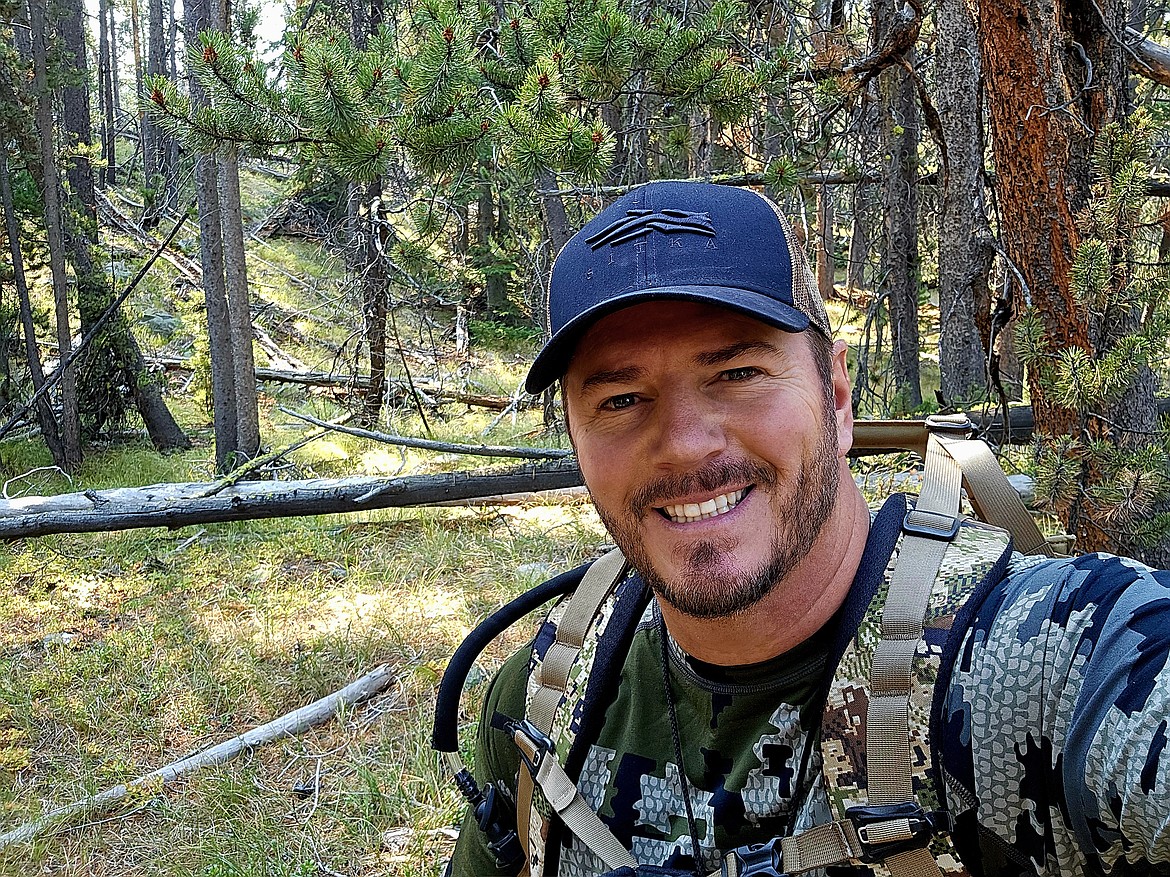
Tony Mills of Tony Mills Photography
Courtesy
Coeur d’Alene photographer Tony Mills is lending his expertise to a documentary that examines the near disappearance of the grizzly bear and the path to coexistence.
Tod Swindell and Julie Magnuson Swindell, who operate Grizzly Adams LLC and hold the intellectual property associated with the historical figure, are producing “The Bear on the Flag.”
The half-hour film takes its title from the California state flag, which features the extinct California grizzly subspecies that was erased from the state over a century ago.
“There’s no more. California lost them, so we decided to expand on that,” Swindell said Wednesday while at Mills' gallery on Sherman Avenue.
They described the film as an effort to explain why grizzlies once numbered in the tens of thousands across the western half of the lower 48 and how the population fell to 500 animals by the mid 1970s.
“It’s kind of like the same story of the bison in a different way,” Swindell said.
They noted that grizzlies function as an umbrella species: when bears thrive, many other plants and animals in the same ecosystem do, too. They hope viewers leave with a clearer understanding of that role and the practical steps individuals can take to reduce conflict.
Central to the project is Tony Mills, whose years of fieldwork as a bow hunter and wildlife photographer have given him invaluable experience with grizzlies. Swindell and Magnuson said he may even open the film.
“His contribution is very significant,” said Swindell.
Mills said the opportunity was both humbling and significant. He emphasized that education, more than any other factor, determines the outcome of human-bear interactions.
“A lot of people are fearful of grizzly bears. They don’t have to be, they just have to be educated,” Mills said.
He said people should be diligent when entering grizzly country. Food must be stored properly, distances respected and seasonal behavior understood.
Failure in those basics accounts for most attacks, many of which end with the bear being euthanized, Mills said.
Mills has watched the consequences play out firsthand while in Alaska. Anglers approached by bears refused to release fish. The bear chases them, learns the behavior, and while it may not end badly right then and there, it eventually will.
“They may get away with it, but it’s the next fisherman that is going to be in danger, or they’ll euthanize that bear,” he said.
Mills said preservation and conservation efforts have rebirthed the grizzly population. Down to nearly 500 across the lower 48 in the mid 1970s, Mills estimated around 2,000 grizzlies live in Montana today.
Mills said that in his conversations with Fish and Game officers and biologists, he is hearing sentiment to delist the grizzly bear as a threatened species and manage it, something he agrees with, to a point.
“You have to manage them correctly, and with that, you have to manage people,” he said.
In places like Yellowstone, he pointed out, a few dozen cubs may be born each year while tens to hundreds of thousands of people enter the same habitat, many poorly informed.
The final cut of "The Bear on the Flag" is expected to be released in February.
When asked what lesson they wanted audiences to carry away from the documentary, Swindell said: “The history of the grizzly.”
“It reports the importance of its survival, what it means to us and what it means to humanity,” Swindell said.
ARTICLES BY JACK DEWITT
Coeur d'Alene's Tony Mills joins documentary on grizzlies and coexistence
Coeur d'Alene's Tony Mills joins documentary on grizzlies and coexistence

PF mayor unveils 20-year vision for a growing Post Falls in State of the City
PF mayor unveils 20-year vision for a growing Post Falls in State of the City
Westlund said the city is on track to double in population by 2045 under current trends. That growth, he said, demands intentional choices now. “What are we building? What are we leaving behind?” Westlund asked the audience. “These are the really important questions, because if you don’t know where you’re going, you’re never going to get there.”
